
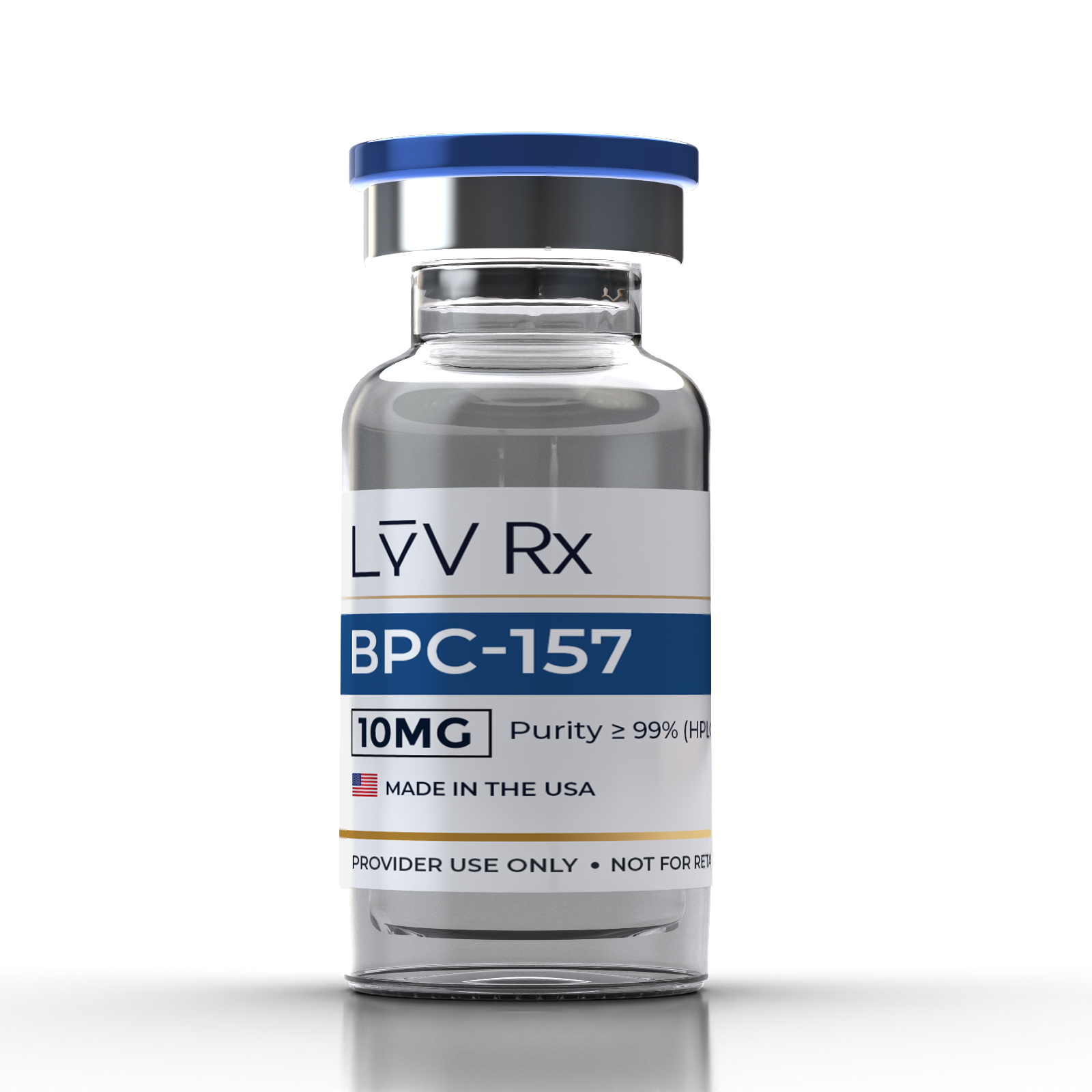
BPC-157
$69.99 — or $62.99 / month
BPC-157 is a synthetic 15-amino-acid peptide derived from the body protection compound sequence that is studied for its role in cytoprotective signaling and tissue integrity pathways.
Only 6 left in stock
Origin & Classification
BPC-157 is a synthetic pentadecapeptide (comprising fifteen amino acids) derived from a protective sequence within human gastric juice known as the “body protection compound.” This peptide is artificially synthesized using solid-phase peptide synthesis to create a highly pure linear chain that is not glycosylated or cyclized. It belongs to the class of cytoprotective peptides and has no native endocrine receptor; rather, it is considered a stable fragment of a naturally occurring protective protein.
Mechanism & Research Context
In experimental settings, BPC-157 is used as a model to study cytoprotective signaling and tissue integrity. Researchers investigate its influence on nitric oxide pathways, angiogenic signaling, and extracellular matrix regulation. Reports indicate that BPC-157 modulates endothelial nitric oxide synthase (eNOS) activity, interacts with vascular endothelial growth factor (VEGF) cascades, and may influence FAK/beta-catenin signaling important for cell adhesion and migration. The peptide is also examined for its potential to affect inflammatory mediators such as TNF-alpha, IL-6, and NF-kappaB. Studies span various systems including gastrointestinal mucosa, musculoskeletal tissue, and neural tissue, aiming to elucidate underlying biological processes without ascribing therapeutic claims. Because of its resistance to digestive enzymes, BPC-157 is of interest in research exploring oral bioactivity and systemic signaling cross-talk.
Composition & Quality
BPC-157 is produced as a lyophilized powder with purity typically exceeding 95 % as determined by reverse-phase HPLC and mass spectrometry. It is synthesized under controlled GMP-aligned environments, with final batches sterilized by filtration and accompanied by certificates of analysis documenting peptide sequence, purity, molecular mass, and absence of endotoxin. Stability studies indicate that BPC-157 is stable when stored desiccated at low temperatures and retains structural integrity upon reconstitution in aqueous buffers. The peptide’s small size and linear structure allow for consistent manufacturing and batch reproducibility.
Summary & Unified Disclaimer
This description summarizes the scientific context of the molecule. It is provided for educational and research discussion purposes only. It is not intended to diagnose, treat, cure, or prevent any disease, and no medical or consumption claims are made.
| Weight | 0.05 lbs |
|---|---|
| Dimensions | 1 × 1 × 2 in |
How Lyv Rx Works
Place Your Order
Enjoy our simple and secure shopping experience
Get medical approval
Our licensed physicians review every order placed
Optimize your health
Each order is shipped same-day to keep you moving
Reviews
There are no reviews yet.